

 |
||
 |
Trusted Resources for Patients With Chest and Thoracic Conditions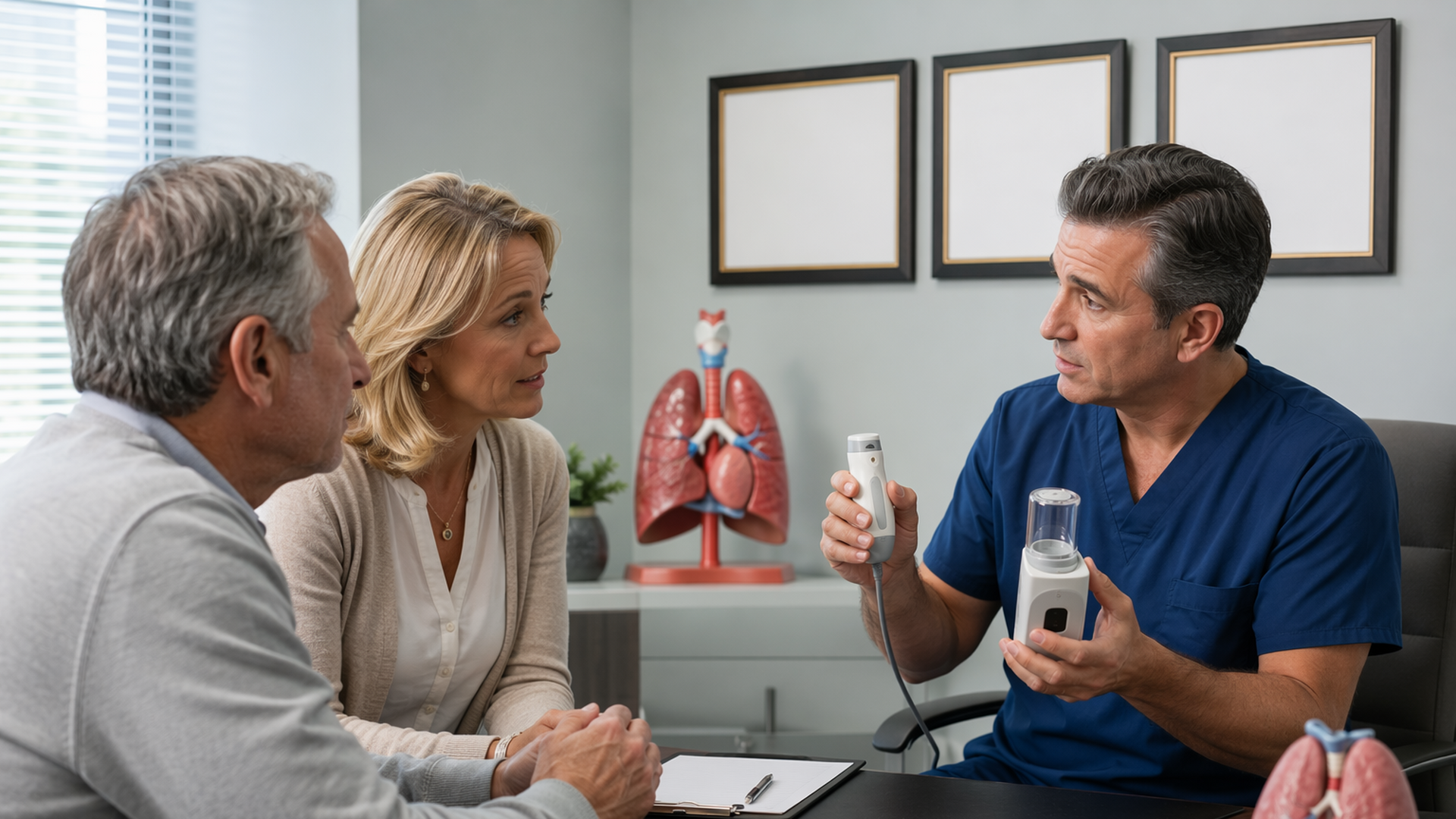
People managing chest or thoracic conditions can benefit from finding credible health information early in their care. Reliable resources can explain diagnoses, common tests, treatment options, and questions to raise with a healthcare professional. In the UK, organisations such as the NHS, Cancer Research UK, Asthma + Lung UK, the British Thoracic Society, and condition-specific charities provide patient information that is reviewed and updated by relevant professionals. These sources can be useful alongside advice from the clinical team. Resources from academic medical centres, professional societies, and recognised charities can also help patients understand conditions ranging from pneumothorax and pleural disease to lung cancer and chest wall disorders. Information should support, rather than replace, individual medical advice. When assessing a health resource, consider who produced it, whether it is medically reviewed, when it was last updated, whether it clearly distinguishes evidence from opinion, and whether it explains its sources. A treating clinician remains the best person to explain what information means for an individual diagnosis. What Are Chest and Thoracic Conditions?Chest and thoracic conditions affect structures within the chest, including the lungs, pleura, airways, mediastinum, chest wall, diaphragm, and oesophagus. They range from common respiratory illnesses to more complex conditions such as lung cancer, pneumothorax, pleural disease, chest wall deformities, and oesophageal disorders. Some conditions are managed mainly by a GP, respiratory physician, oncologist, cardiologist, or gastroenterologist. Others may require assessment by a thoracic surgeon, particularly where a biopsy, operation, chest wall procedure, or specialist surgical opinion is being considered. When tests identify a condition that may need thoracic surgical input, experts like Mr Marco Scarci, a consultant thoracic surgeon, can review the findings and discuss whether further investigation, monitoring, or treatment is appropriate. To learn more about his clinical practice and the thoracic conditions he treats, visit marcoscarci.co.uk. The right specialist depends on the suspected condition, symptoms, scan findings, and the individual’s overall health. How Thoracic Conditions Get DiagnosedThoracic conditions are diagnosed through a combination of symptoms, medical history, examination, imaging, and specialist tests. The appropriate pathway depends on the clinical concern. A chest X-ray may be used to investigate breathlessness, infection, chest pain, or a suspected lung problem. CT scans provide more detailed images of the chest and may be used to assess the lungs, pleura, lymph nodes, chest wall, or mediastinum. Other tests may include pulmonary function tests, blood tests, bronchoscopy, ultrasound, endoscopy, PET-CT scanning, or biopsy. Video-assisted thoracoscopic surgery, often called VATS, may be used in selected cases to obtain tissue samples or treat certain conditions through small incisions. Not every patient needs every test. A clinician will select investigations based on symptoms, initial findings, medical history, and the question that needs to be answered. Lung Cancer Screening and Early DetectionIn the UK, lung cancer screening is being introduced through targeted lung health checks in eligible areas rather than as a single nationwide programme available to everyone. Eligibility criteria and local availability can vary. These programmes generally use low-dose CT scans to look for early lung cancer in people at higher risk, particularly current or former smokers within a defined age range. A low-dose CT scan uses less radiation than a standard CT scan while still providing detailed images of the lungs. Screening can detect some cancers before symptoms develop, but it can also identify nodules that require monitoring and may lead to further tests. Patients should discuss their eligibility, likely benefits, and possible limitations with a healthcare professional. Screening Eligibility and CriteriaEligibility for targeted lung health checks is based on factors such as age, smoking history, and local programme criteria. It is not appropriate for everyone, and an invitation does not mean a person has cancer. People who are concerned about lung cancer symptoms should not wait for screening. Persistent cough, coughing up blood, unexplained weight loss, ongoing breathlessness, chest pain, or recurrent chest infections should be assessed by a healthcare professional. Early Detection Imaging TechniquesLow-dose CT is the main imaging method used in lung cancer screening programmes. If it identifies a nodule or another abnormality, clinicians may recommend another scan after a defined interval, further imaging, or referral for additional assessment. An abnormal scan does not automatically mean cancer is present. Many lung nodules are benign, and management depends on their size, appearance, changes over time, and a person’s clinical risk factors. Treatment Options for Thoracic ConditionsTreatment depends on the diagnosis, severity of disease, symptoms, and the patient’s overall health. Some conditions require monitoring or medicine alone, while others may need a procedure, surgery, radiotherapy, chemotherapy, immunotherapy, rehabilitation, or supportive care. Minimally invasive surgery may be appropriate for certain thoracic conditions. These techniques can involve smaller incisions than open surgery, but suitability depends on the specific condition and patient. A minimally invasive approach is not always the safest or most effective option. Thoracic cancers are usually discussed by a multidisciplinary team that may include surgeons, oncologists, respiratory physicians, radiologists, pathologists, specialist nurses, and other professionals. This helps ensure treatment recommendations reflect the full clinical picture. Where Thoracic Patients Find Trusted SupportPatient organisations and local services can offer practical and emotional support alongside clinical care. Charities may provide information, telephone support, online communities, and guidance about coping with symptoms, treatment, work, finances, and caring responsibilities. Support groups can help some people feel less isolated, but information shared in groups or online forums should not be treated as personal medical advice. Treatment decisions should always be discussed with the clinical team. Smoking cessation services can also be particularly valuable for people with lung disease, those undergoing cancer treatment, and anyone preparing for surgery. Stopping smoking can improve lung health and reduce the risk of complications. Reliable Patient Support NetworksThe most useful support network depends on the diagnosis. Cancer charities can provide information and helplines for people affected by lung or oesophageal cancer. Respiratory charities may support people living with chronic lung conditions, while hospitals and local cancer centres may offer support groups, counselling, rehabilitation, and specialist nurse contact. Family members and carers may also benefit from these services, particularly when a diagnosis or treatment plan is complex. Trusted Medical Information SourcesReliable information often comes from national health services, recognised medical charities, professional medical societies, and hospital patient-information services. Look for clear publication dates, qualified authors or reviewers, references where appropriate, and information that acknowledges uncertainty or variation in treatment. Be cautious of sources that promise guaranteed outcomes, promote one treatment as suitable for everyone, or discourage consultation with qualified clinicians. Community Resources for PatientsLocal hospitals, cancer centres, hospices, and community organisations may offer counselling, rehabilitation, benefits advice, smoking cessation support, exercise programmes, and peer support. A GP, specialist nurse, or hospital team can often direct patients to local resources. Patients should ask what support is available at the point of diagnosis and throughout treatment, rather than waiting until problems become overwhelming. Resources for Thoracic Cancer PatientsA cancer diagnosis can involve many different professionals, tests, and treatment decisions. Specialist cancer nurses, multidisciplinary teams, hospital support services, and recognised cancer charities can help patients understand the process and prepare for appointments. Clinical trials may be an option for some people. Eligibility depends on the diagnosis, cancer stage, previous treatment, general health, and the trials available locally. A treating oncology team can advise whether a suitable study may be available. Support services can help with the emotional, practical, and physical effects of cancer. This may include psychological support, symptom management, dietary advice, physiotherapy, occupational therapy, and palliative care where needed. Palliative care is not limited to end-of-life care. It can support symptom control and quality of life at any stage of a serious illness, alongside treatment intended to control or cure cancer. Smoking Cessation Programmes for Thoracic PatientsStopping smoking can improve health at any age and is particularly important for people with lung disease, cancer, or a planned operation. It can improve breathing, reduce the risk of complications, and support recovery after surgery or other treatment. Support may include behavioural counselling, nicotine replacement therapy, or prescription medicines, depending on individual circumstances. NHS stop-smoking services, pharmacies, and GP practices can advise on available options. For people receiving cancer treatment, it is still beneficial to stop smoking. The clinical team can help identify safe and realistic support options during treatment. ConclusionPeople with chest and thoracic conditions can draw on a range of trustworthy resources, including clinically reviewed patient information, specialist teams, medical charities, and local support services. Reliable information can help patients prepare questions, understand common tests and treatments, and take an active role in discussions about their care. It should always be interpreted in the context of advice from the treating healthcare team. Persistent or worsening chest symptoms, unexplained breathlessness, coughing up blood, severe chest pain, or other urgent symptoms should be assessed promptly by an appropriate medical service. |
